Winter Trail Voices: What Local Runners and Walkers Need
%20pt.%202.jpg)
written by Greg L. Hughes
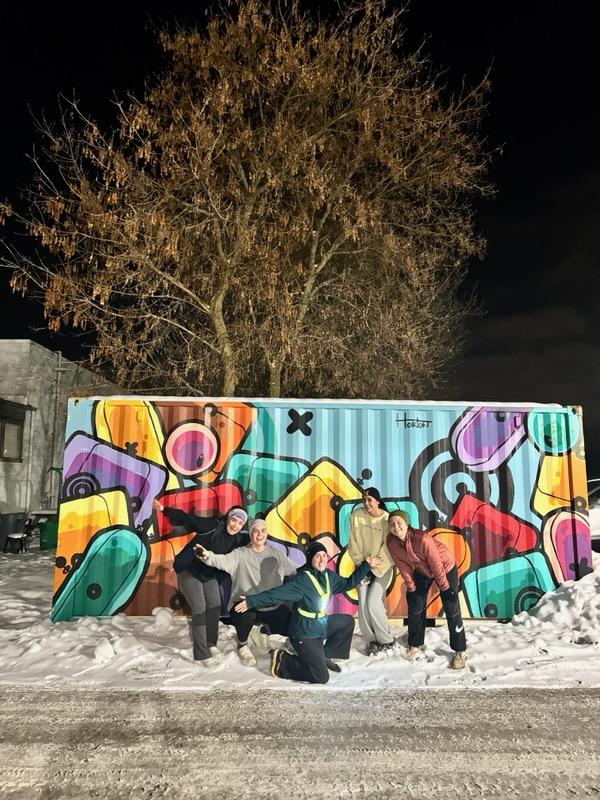
When most people think about winter trail advocacy, cycling often dominates the conversation. But there's another group braving Ann Arbor's cold months with equal dedication: runners and walkers who rely on trails and sidewalks for fitness, transportation, and mental health throughout the year.
We reached out to local running and walking communities to understand what winter infrastructure really looks like from their perspective. Their insights point toward solutions that would make Ann Arbor's trails truly accessible to everyone.
The Reality of Winter Running and Walking
For many Ann Arbor residents, winter doesn't mean a pause in outdoor activity. Jo, a local runner who hits the trails daily even in December and January, describes the appeal: "I love running loops in the Eberwhite Woods. The snow gets packed down but somehow doesn't become icy."
But consistent access remains elusive. Rachel Friedlander of Run Ann Arbor recalls an experience on the Border-to-Border Trail: "Gallup Park B2B trail segment and bridge did not seem to be shoveled or maintained. I decided to turn around and run on the sidewalk or in the street against traffic."
Rails-to-Trails Conservancy reports that winter actually increases overall trail use, with walkers and runners representing the largest increases.1 Yet the infrastructure often fails to match this demand.
.png)
The Challenges
Inconsistent Maintenance
Every survey respondent identified uneven maintenance as a major problem. Snow removal that clears some sections but not others forces runners and walkers into dangerous situations.
"Consistency with clearing certain routes so that runners/walkers can anticipate having a clear path," emphasized Rachel. Maggie of Happy Feet - Ann Arbor Running Club added: "Connectivity is important so clearing a trail/path only up until a certain point can be disappointing for someone who starts a route that is cleared and suddenly isn't any more."
Ice and Safety
Ice patches were the second most common challenge. Jo mentioned avoiding UM campus sidewalks "because they don't use pet safe ice melter and I run with my dog."
According to America Walks, failing to properly clear sidewalks and trails isn't just an inconvenience — it's a justice issue that disproportionately affects residents who rely on pedestrian infrastructure.2
Lighting
Michigan's early winter sunsets create significant barriers. Maggie avoids the Arb "because of lack of lighting." When asked what single improvement would help most, she answered: "Lighting!"
She's hopeful about the future: "If the Allen Creek Urban Trail [the Treeline] is well-lit and well-maintained, it'll be a game changer for running in the winter!"
Blocked Access
Walk Bike Washtenaw, a group of community stakeholders promoting sustainable and livable transportation, emphasized that "things that seem like small nuisances can cause a lot of problems for walkers and people unable to drive."
.jpg)
What Would Make a Difference?
We asked respondents to rank seven potential improvements. The top priorities:
- Better ice management and de-icing
- Protected crossings at busy intersections
- Improved lighting for early morning/evening use
- Consistent, timely snow removal
What's notable is the focus on predictability and safety rather than perfection. Rachel noted that runners and walkers are "flexible and understanding of the demands" — but flexibility only goes so far when infrastructure is unreliable or unsafe.
.jpg)
The Transportation Question
When asked whether Ann Arbor's infrastructure treats walking and running as legitimate transportation, responses ranged from "Not really" to "Somewhat." No one answered with an unqualified "Yes."
This matters. Research shows that inadequate winter maintenance has a statistically significant negative impact on both walking and cycling.3 The Federal Highway Administration notes that proper winter maintenance of pedestrian facilities is required under the Americans with Disabilities Act.4
Current approaches often prioritize roadways for vehicles. As America Walks advocates, this isn't a funding issue — it's a matter of priorities.2
Communication Matters
Beyond physical improvements, runners and walkers emphasized information. Rachel suggested "posts/updates/community engagement to communicate updates and/or changes to the infrastructure."
Knowing which routes will be maintained allows users to plan accordingly. Simple communication tools can dramatically improve the experience without requiring additional physical infrastructure.
The Treeline's Role
The Treeline represents an opportunity to design winter maintenance into infrastructure from the beginning. Key principles from the community:
- Designated priority routes with consistent maintenance
- Proper lighting for safe early morning and evening use
- Pet-safe de-icing materials
- Protected crossings at intersections
- Communication systems about conditions and maintenance
Jo noted that city ordinances about snow removal represent a "HUGE" advantage many cities lack. Building on this foundation could position Ann Arbor as a national leader in pedestrian infrastructure.
Walk Bike Washtenaw said it best: "things that seem like small nuisances can cause a lot of problems for walkers and people unable to drive."
The runners and walkers we heard from aren't asking for perfection. They're asking for consistency, safety, and recognition that their needs matter. As Ann Arbor plans for the Treeline's future, listening to these voices will be essential to creating infrastructure that truly serves our community.
The Treeline Conservancy is working with Ann Arbor City Council on the next phase of development for the Gateway segment. Learn more about supporting this transformative infrastructure project at thetreeline.org/support

Sources
- Rails-to-Trails Conservancy. "Winter Etiquette and 'Share the Trail' Safety Tips." https://www.railstotrails.org/share-the-trail/
- America Walks. "Winter Sidewalk Maintenance is a Justice Issue." https://americawalks.org
- Active Transportation Resource Center. "Impact of Weather on Active Transportation Usage."
- Federal Highway Administration. "Designing Sidewalks and Trails for Access: Part II of II: Best Practices Design Guide." https://www.fhwa.dot.gov
Special thanks to Happy Feet - Ann Arbor Running Club, Walk Bike Washtenaw, Run Ann Arbor, and the local runners who shared their experiences for this article.
Blog Library
Learn more about the Treeline Project, initiatives, and our team members.
.png)
Branching Out: Looking Beyond Trees Planted Solo
.png)
Safety Trends: What the Data Reveals about Cycling in Ann Arbor
.png)