Winter Trail Safety & Maintenance: Keeping Non-Motorized Routes Accessible Year-Round
.png)
written by Greg L. Hughes
Last winter, we shared essential tips for enjoying Ann Arbor's trails during the colder months. This year, we're building on those fundamentals to explore what it takes to keep non-motorized infrastructure like the Treeline accessible and safe throughout Michigan's winter season — and how we're committed to year-round maintenance for generations to come.
The Growing Demand for Year-Round Infrastructure
As communities increasingly recognize trails as essential mobility infrastructure rather than seasonal recreation, expectations for reliable winter maintenance have grown. Our neighboring Border-to-Border (B2B) Trail demonstrates this shift, with select segments maintained throughout winter by local jurisdictions to serve commuters, recreational users, and families who depend on these routes year-round.
The Treeline will join this movement as a true four-season asset for Ann Arbor. Through a dedicated endowment fund, the Treeline Conservancy will ensure consistent maintenance year-round, keeping the trail accessible, safe, and welcoming even during Michigan winters.
What Goes Into Winter Trail Maintenance
Effective winter trail maintenance requires more than just snow removal. Professional trail managers coordinate several key practices:
Timing Matters
Snow removal typically begins early in the morning following winter storms. However, timing isn't just about speed — it's about effectiveness. Trail managers must consider temperature fluctuations, as removing snow when temperatures hover near freezing can create dangerous ice conditions.
Ice Control as Priority
Ice management presents one of winter's greatest challenges, particularly on slopes and curves where slipping poses the highest risk. Trail maintenance teams use de-icing applications, favoring environmentally safe options especially for trails near waterways.
The Grooming Process
After grooming, paved trails need time to "set up" before they're ready for use. Different trail activities and local conditions mean maintenance approaches vary — checking with your local land manager ensures you have the most current information for your planned route.
.png)
Winter Activities on Paved Urban Trails
Winter transforms trails into spaces for activities many users never consider during warmer months. Understanding how these different uses coexist helps everyone stay safe.
Fat-Tire Biking
This increasingly popular winter sport allows cyclists to continue riding throughout the season using bicycles with oversized, low-pressure tires (typically 3.7 inches or wider). Fat-tire bikes work by "floating" on top of snow rather than cutting through it. However, riders must understand when conditions are appropriate — riding in temperatures above 30 degrees or on soft trails can damage the surface, creating hazardous ruts that freeze into place.
Cross-Country Skiing and Snowshoeing
Many paved trails that accommodate walking and cycling in summer become ideal for cross-country skiing and snowshoeing in winter. Groomed ski tracks are particularly vulnerable to damage from other uses, so it's important to respect designated lanes when they exist.
Walking and Running
Pedestrians remain the most common winter trail users, though ice and packed snow require extra caution and often specialized footwear like microspikes or traction cleats.
Essential Winter Trail Etiquette
Whether you're experienced or heading out for the first time this winter, following proper etiquette ensures everyone stays safe.
Know Before You Go
Research Trail Rules and Conditions
Not all trails permit all activities. Some restrict fat-tire bikes, skis, or other equipment. Before your outing, verify what's allowed on your chosen trail. Keep in mind that not all trail segments receive winter maintenance. For the B2B Trail, winter maintenance responsibility falls to local jurisdictions — contact your local land manager (such as the City of Ann Arbor for Gallup Park) for grooming schedules and trail conditions in your area.
Check the Weather Forecast
Review weather conditions before heading out. Knowing the forecast helps you pack appropriate layers, plan around temperature changes, and avoid venturing out during severe weather.
Respect Grooming Schedules
Wait at least two hours after grooming before using the trail. This allows snow to firm up and creates better conditions for everyone. Using freshly groomed trails damages the surface and makes conditions worse for those who follow. Contact your local land manager for grooming schedules — their website's "contact" page typically displays phone numbers and email addresses.
Check Temperature
Avoid trails when temperatures approach or exceed 30 degrees. Soft, slushy conditions damage trail surfaces and create ruts that become hazardous once they refreeze. If you're breaking through the surface and leaving deep tracks, conditions are too soft.
.jpg)
On the Trail
Remember the Six Golden Rules
As Rails-to-Trails Conservancy's "Share the Trail" campaign reminds us:
- Use safe speeds
- Keep right, pass left
- Standing still? Stand aside
- Mind your pets (short leashes, clean up waste)
- Be alert (avoid headphones)
- Know and follow the rules
Announce Your Presence
Winter conditions muffle sounds. Always announce yourself when passing by calling out "on your left" or using a bell. Give people plenty of warning, especially when passing families with children.
Stay Visible
In low-light conditions, wear bright or reflective clothing and use lights on bicycles. Michigan's early winter sunsets make visibility equipment essential even for afternoon outings.
Be Prepared
Winter conditions can change quickly. Make sure you are prepared with enough layers, food, and water. Ensure your phone is charged and always let someone know your plans.
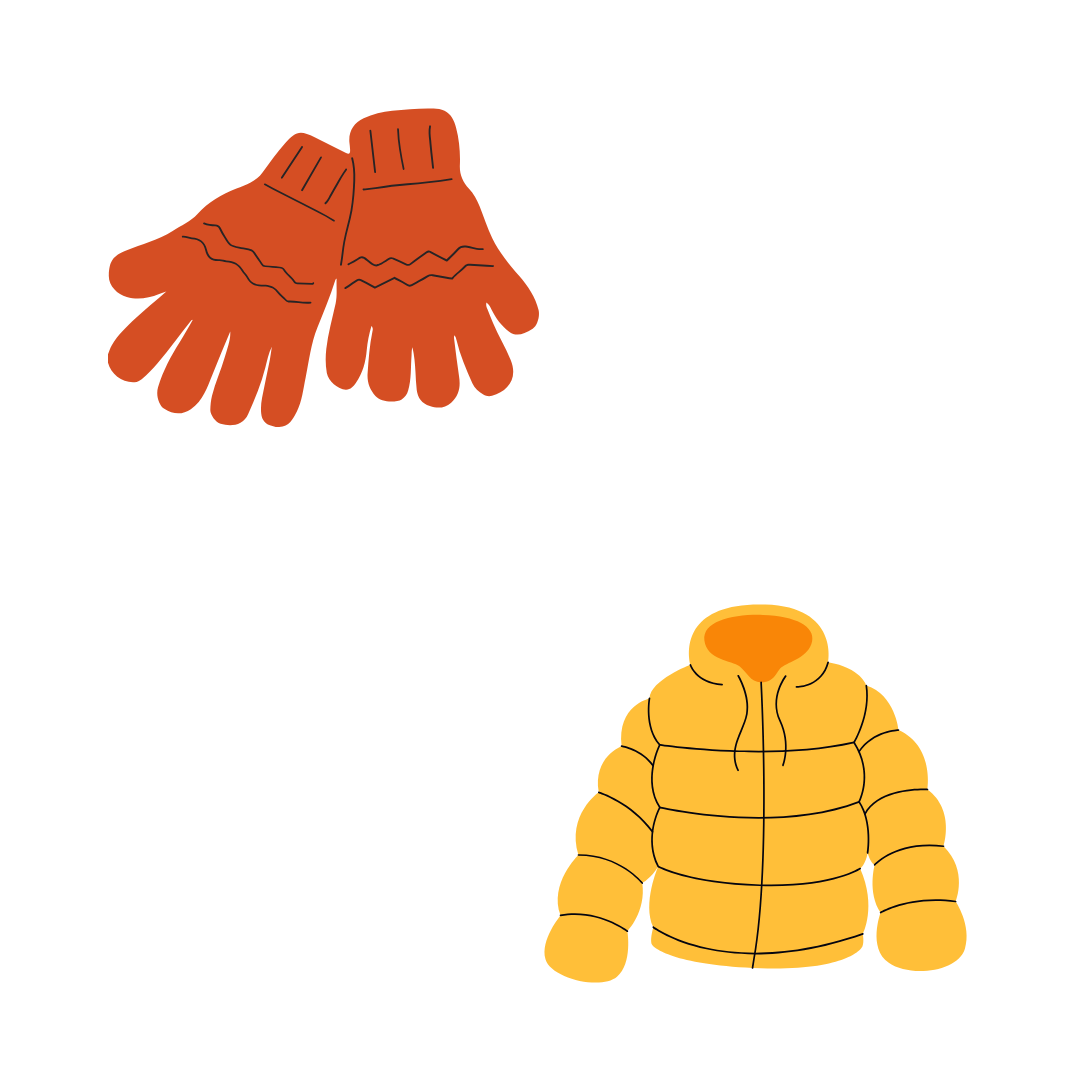
Dressing for Winter Trail Success
Last year, we emphasized proper layering. This remains critical, with a few additional considerations:
Start Cool
Begin your outing feeling slightly cool — you'll warm up quickly once moving. Use synthetic wicking materials and avoid cotton, which retains moisture. Bringing a backpack is a helpful way to store layers and adjust as needed.
Protect Your Extremities
Your hands and feet require special attention. Chemical toe and hand warmers are essential safety items. For fat-tire bikers, well-insulated, waterproof footwear and handlebar mitts make a significant difference.
Stay Hydrated
Proper hydration is just as critical in freezing temperatures as in hot weather. Cold air is dry, and physical activity increases fluid needs regardless of temperature. Carry water and drink regularly, even if you don't feel thirsty.
The Treeline's Year-Round Commitment
As we advance the Gateway segment and future phases, year-round maintenance isn't just a goal — it's a commitment backed by financial planning. Through our endowment fund, the Treeline will ensure consistent, professional maintenance across all seasons.
This commitment recognizes that modern trail infrastructure serves both recreation and mobility. Families commuting to school, professionals biking to work, and individuals who rely on trails for exercise and mental health don't pause their lives when snow falls. Neither should their access to safe, well-maintained infrastructure.
Learn more about supporting year-round trail infrastructure at thetreeline.org/support

Sources:
Brown, A. (n.d.). Winter trail etiquette: Rei Co-op. REI. https://www.rei.com/learn/expert-advice/winter-trail-etiquette.html
International Mountain Bicycling Association. Fat Biking Best Practices. https://www.imba.com
Minnesota Department of Natural Resources. Winter Fat Bike Riding. https://www.dnr.state.mn.us
Rails-to-Trails Conservancy. Winter Etiquette and 'Share the Trail' Safety Tips. https://www.railstotrails.org/share-the-trail/
Blog Library
Learn more about the Treeline Project, initiatives, and our team members.
.png)
Branching Out: Looking Beyond Trees Planted Solo
.png)
Safety Trends: What the Data Reveals about Cycling in Ann Arbor
.png)